
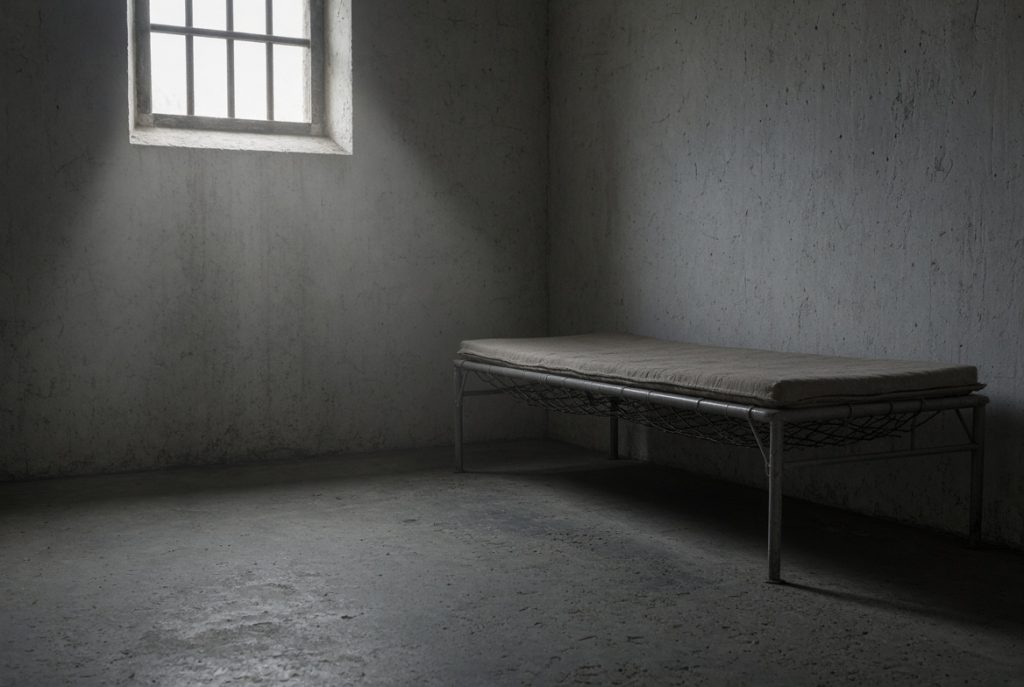
I live with post-traumatic stress disorder, diagnosed and treated in Spain at a specialized clinic. After a documented threat over my work, I had a crisis. I had asked my family that, if this ever happened, they take me to an emergency room. They chose something else: they called the municipal police and had me committed against my will to an “anexo”, an unregulated center with no doctors that calls itself “rehabilitation”. I was deprived of my liberty for three weeks, until a psychiatrist evaluated me and confirmed that I am fully lucid.
What is an “anexo”?
In Mexico, “anexos” are informal residential centers that present themselves as addiction or mental-health rehabilitation. They are not hospitals and most are not regulated: there are no doctors or nurses on staff. Families can pay to have a relative taken in, sometimes by force and sometimes with the help of local police, without a medical evaluation and without a judge. Once inside, people are held against their will, isolated, denied their medication and often abused. Human rights organizations and Mexican media have documented deaths inside them. Animal Político explains it here (in Spanish):
https://grupoanimal.mx/opinion/anexos-violencia-rehabilitacion
So being sent to an anexo does not mean someone needed one. In my case it meant that a medical emergency was handled as a punishment.
Why this happened
I am not the only journalist living with PTSD. Mexico is one of the most dangerous countries in the world to be a journalist, and this year has been very violent for me: three police assaults verified by forensic experts, and threats from alleged members of organized crime, documented before the Public Prosecutor’s Office.
A few months ago I had to leave for Spain. There I was treated at Hospital del Mar and at a clinic specialized in PTSD. When I came back, with no resources, I stayed with my family.
On September 11 I received a documented threat over an investigation I am working on, and I had a severe crisis. A PTSD crisis is a medical emergency: it is treated in a hospital, by specialists. Instead, my family filmed me and called the municipal police. I was beaten on the way and locked up in an anexo. I was never brought before a prosecutor or a judge.
Three weeks inside
I refused to sign a consent form, so they tied me up. I was isolated and went days without my diabetes medication: my blood sugar reached 425 mg/dL. I saw other inmates being beaten, including a minor and a person with a mental illness.
I got out when a psychiatrist evaluated me and confirmed what I had said all along: I am lucid.
Where I am now
Today two organizations that support journalists are providing me with medical, psychiatric and legal care. A forensic doctor certified my injuries. I am going to file a criminal complaint for kidnapping, torture, police abuse and negligence.
Now my family is threatening to publish videos of me during that crisis. If they do, the videos will only show how a person in crisis was treated instead of being taken to a hospital. Exposing someone like that is also something I will report.
Crises like this are common among journalists. I have supported colleagues through their own, and I am part of a network that helps them. My work and my rigor remain intact.
My work does not depend on me
I have released my method as a public tool, so it keeps working whatever happens: https://theverificator.net/lite
My status can be checked here: https://theverificator.net/estado
How to support me
I have almost no money left. If you want and are able to help, here is how: https://theverificator.net/donate
I’m not going anywhere. Thank you for standing with me.
Alberto Escorcia · October 9, 2026